
A Quick Guide to beard oils:
Whether you are new to growing out your stubble finally, or you have just never been interested in beard oils and it’s benefits until now, here is a quick guide and a step-by-step process to have your mane looking luscious and full in no time.
Beard oil is a multi-functional grooming tool that acts as both a leave-in conditioner for facial hair and a moisturizer for the skin beneath. By mimicking your skin's natural sebum oils, it keeps both your beard and face hydrated, preventing the common discomforts associated with growing facial hair like itch and dandruff, often referred to as “beardruff.”
Beard hair is naturally coarser than the hair on your head. Oil hydrates these rough strands, making them softer to the touch and easier to style by strengthening individual hair strands. Beard oil reduces brittleness and split ends. This helps retain length and gives the beard a fuller, thicker appearance over time.
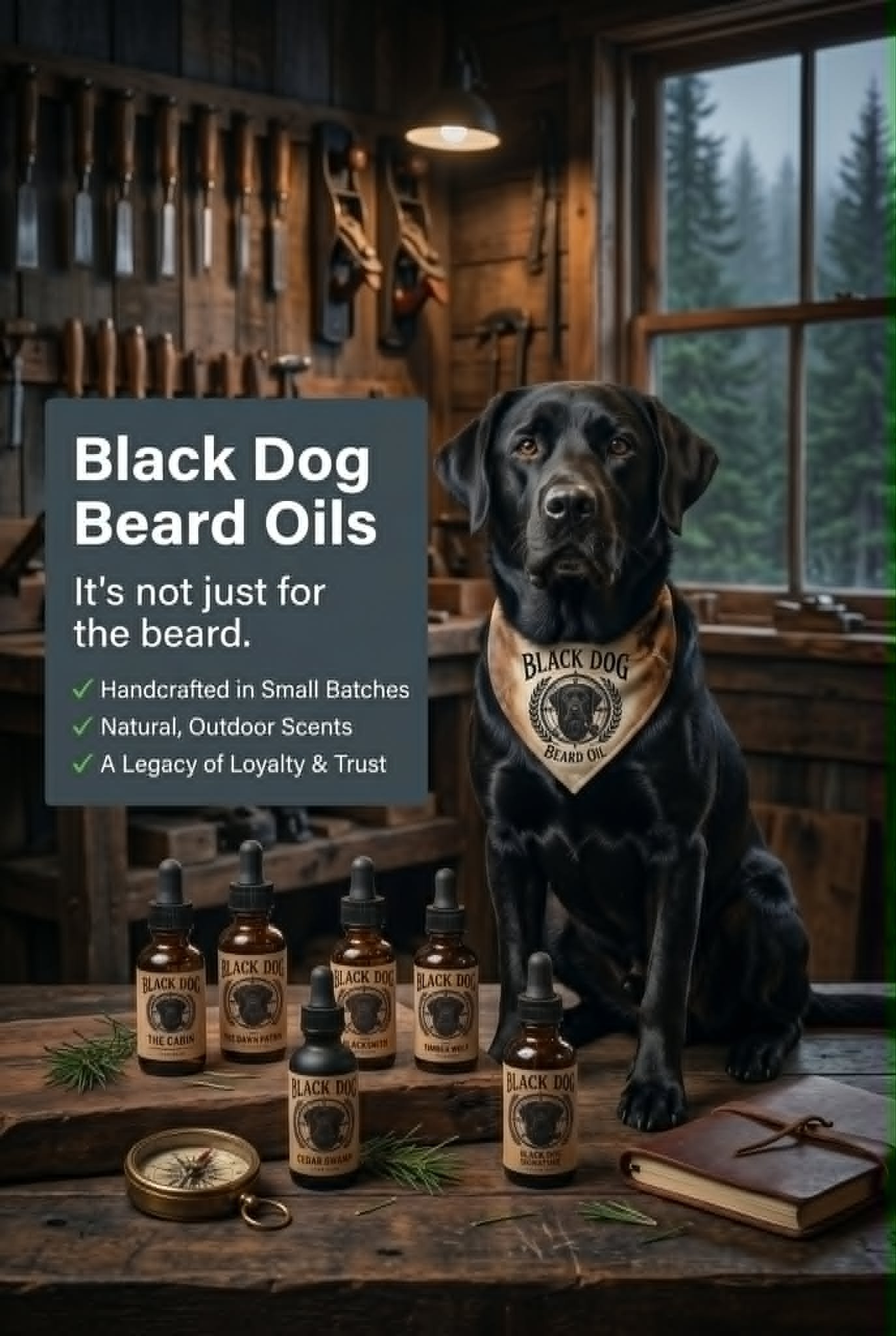
Our Oils:
Golden Jojoba Oil: Mimics the skin’s natural sebum oil, it’s perfect as the majority of the carrier oils as it absorbs quickly without that heavy, greasy feeling throughout the day.
Sweet Almond Oil: Derived from the edible seeds of the sweet almond tree, it is prized for its high content of Vitamins A, B, D and E, essential fatty acids, and minerals like zinc that acts as a “food” for your beard to keep it healthy and soft.
Argan Oil: Argan oil is a "liquid gold" powerhouse for beard care, primarily because it's rich in vitamin E, antioxidants, and fatty acids like Omega-6 and Linoleic Acid. Unlike heavier oils, it is lightweight and non pore-clogging, making it effective for nearly all skin and hair types.
Castor Oil: Castor oil is a thick, nutrient-dense ingredient frequently used in beard oils to improve the health, appearance, and manageability of facial hair. Its primary active component is ricinoleic acid, comprising nearly 90% of the oil, which provides potent anti-inflammatory and antimicrobial properties.
Hazelnut Oil: Hazelnut Oil improves skin elasticity and hydrates without leaving a residue. It’s non-comedogenic and fast absorbing, ideal for oily, acne-prone, or sensitive skin. Rich in vitamin E, tannins and omega-9 fatty acids.

Beyond length, several personal variables can dictate how much oil you should apply:
Skin Type: If you have naturally dry skin, you may need more oil. Those with oily skin should use less to avoid clogged pores.
Hair Density: Thicker, coarser hair absorbs oil more quickly and typically requires a higher drop count than thin hair.
Climate: In dry or cold climates, hair and skin lose moisture faster, often requiring more frequent or heavier application.